

6 nutrition essentials for self-care to boost mind & body
TL;DR:
- Adopting a whole-diet, plant-forward approach supports overall health better than focusing on individual nutrients.
- Nutrition varies across menstrual cycle phases, requiring personalized food choices and possible supplements.
- Prioritizing micronutrients and proper hydration, tailored to age and lifestyle, is essential for women’s well-being.
Nutrition advice is everywhere, and honestly? Most of it is noise. One week it’s collagen shots, the next it’s some obscure berry from a rainforest. As a woman who actually wants to feel good, perform well, and glow from the inside out, you deserve a clear, evidence-based roadmap. No fluff, no fads. Just six real nutrition essentials that support your whole self, physically, mentally, and hormonally. We pulled together current research, expert insight, and practical strategies so you can stop second-guessing your plate and start building the kind of balanced holistic health that actually sticks. Let’s get into it, queen.
Key Takeaways
| Point | Details |
|---|---|
| Whole-diet matters most | A balanced, plant-forward eating pattern impacts both mind and body more than individual supplements. |
| Personalize for your cycle | Eat according to your menstrual cycle phase for optimal energy, mood, and hormone balance. |
| Mind hydration | Purposeful hydration supports metabolism, skin, and mental focus in daily self-care. |
| Micronutrient shortfalls | Vitamins D, iron, and magnesium are often low in active women—track intake and supplement as needed. |
| Mediterranean wins | Shifting towards Mediterranean-style eating is proven to help blood pressure, bones, and long-term wellness. |
1. Adopt a whole-diet approach: The foundation of nutrition self-care
Forget obsessing over one miracle nutrient. The real glow-up starts when you zoom out and look at your entire eating pattern. Plant-forward diets beat supplements for mental health outcomes, and the Mediterranean diet consistently leads the pack. We’re talking reduced anxiety, better energy, a stronger heart, and an immune system that actually shows up for you.
This approach is not about perfection. It’s about consistency and variety. Think colorful fruits and veggies, whole grains, lean proteins, nuts, and seeds as your everyday foundation.
Cornerstone foods for your self-care plate:
- Leafy greens like spinach, kale, and arugula (loaded with folate and iron)
- Berries and citrus for antioxidants and vitamin C
- Salmon, sardines, or walnuts for omega-3 fatty acids
- Quinoa, oats, and brown rice for sustained energy
- Legumes like lentils and chickpeas for plant-based protein and fiber
- Extra virgin olive oil as your go-to fat source
“Dietary patterns, not individual nutrients, are the most powerful lever for long-term mental and physical wellness. A whole-food, plant-forward approach provides synergistic benefits that no single supplement can replicate.” — Nutrition research consensus, 2025
Here’s the real magic: nutrition does not work in isolation. When you pair a whole-diet approach with regular movement, quality sleep, and stress management, you’re building an actual lifestyle. That’s the Rich Fit Bitch way. Not a quick fix. An elevated, sustainable foundation that supports every version of you.
2. Tune your plate to your cycle: Nutrition for hormonal health
With whole-diet basics in mind, let’s get personal: aligning nutrition with your cycle is one of the most underrated self-care moves out there. Your body’s nutrient needs literally shift every week, and each menstrual phase demands different nutrients, including iron, vitamin C, magnesium, and omega-3s. Eating with your cycle instead of against it? That’s main character energy.
Nutrition by cycle phase:
- Follicular phase (days 1-13): Focus on iron-rich foods like lentils and red meat to replenish what you lost during menstruation. Add vitamin C to boost absorption.
- Ovulation phase (days 14-16): Load up on fiber-rich veggies and antioxidants. Your energy peaks here, so fuel it with whole grains and lean protein.
- Luteal phase (days 17-28): Magnesium-rich foods like dark chocolate, pumpkin seeds, and leafy greens help ease PMS symptoms. Healthy fats from avocado and nuts stabilize mood.
- Menstruation (days 1-5): Replenish iron and support inflammation reduction with omega-3s from salmon or flaxseed. Warm, nourishing foods are your best friend here.
Exploring wellness supplements for women can also help you fill the gaps that food alone might not cover during certain phases. And if you’re unsure where to start, check out guidance on choosing holistic supplements to make smarter choices. For targeted support, hormone balance support products are worth a look.
Pro Tip: Batch cook a base of adaptable proteins (chicken, lentils, tofu), whole grains, and leafy greens at the start of each week. Swap sauces and toppings to match your phase without extra effort. Cycle syncing does not have to be complicated, babe.
3. Prioritize micronutrients for age and lifestyle
Understanding your needs means addressing what most women are missing: core micronutrients. And the gaps are real. Over 35% of US women are vitamin D deficient, and muscle loss accelerates after age 30 at roughly 3 to 5% per decade. That’s not a scare tactic, it’s a call to action.
| Nutrient | Common symptoms of deficiency | Top food sources |
|---|---|---|
| Vitamin D | Fatigue, low mood, weak bones | Fatty fish, egg yolks, fortified milk |
| Calcium | Muscle cramps, brittle nails, bone loss | Dairy, almonds, broccoli, fortified plant milk |
| Magnesium | Anxiety, poor sleep, PMS | Pumpkin seeds, spinach, dark chocolate |
| Vitamin B12 | Brain fog, fatigue, nerve tingling | Meat, eggs, dairy, fortified cereals |
| Iron | Exhaustion, pale skin, difficulty focusing | Red meat, lentils, tofu, spinach with vitamin C |
Knowing the numbers is one thing. Acting on them is another. Here’s how to make micronutrients work in your real life:
- Pair iron-rich foods with vitamin C (think lentil soup with lemon juice squeezed on top)
- Choose fortified plant-based milks if you’re dairy-free
- Get 15 to 20 minutes of sunlight daily for natural vitamin D synthesis
- Rotate your protein sources to cover a wider range of B vitamins
For deeper support, browse wellness supplement essentials to understand which targeted options might work alongside your diet. And honestly? Get your labs done. Tracking your actual levels takes the guesswork out of your wellness game and lets you personalize like a pro.
4. Mindful hydration and self-care routines
Now, let’s shift to the critical but often overlooked pillar of hydration. Water is not glamorous, but dehydration is the silent saboteur of your energy, focus, skin clarity, and mood. The AHA recommends hydrating at half your body weight in ounces daily, paired with at least 150 minutes of physical activity per week for full holistic benefit. That’s the standard, and it’s worth taking seriously.
Simple habits for consistent hydration:
- Start your morning with 16 oz of water before coffee or food. Your body just ran a fast overnight, hydrate first.
- Use meal times as hydration cues. Drink a glass before each meal and you’ll hit your goal almost automatically.
- Invest in a beautiful, marked water bottle. Yes, aesthetics matter. If it’s cute, you’ll use it.
- Set hourly reminders on your phone or use a hydration tracking app to stay accountable.
- End your evening with herbal tea, chamomile or peppermint, to wind down and hydrate at the same time.
Pro Tip: Infuse your water with citrus slices, fresh mint, cucumber, or frozen berries. You get antioxidants, natural flavor, and zero added sugar. It’s the upgrade your water bottle deserves.
Hydration also directly supports your wellness routine tips and amplifies the benefits of every other nutrition essential on this list. If you’re setting hydration goals as part of a bigger wellness plan, you’re already ahead of the curve.
5. Compare nutritional patterns: Mediterranean vs. standard American diet
With routines in place, see how key nutritional patterns stack up for real life results. Not all eating styles are created equal, and the data is pretty clear on this one.
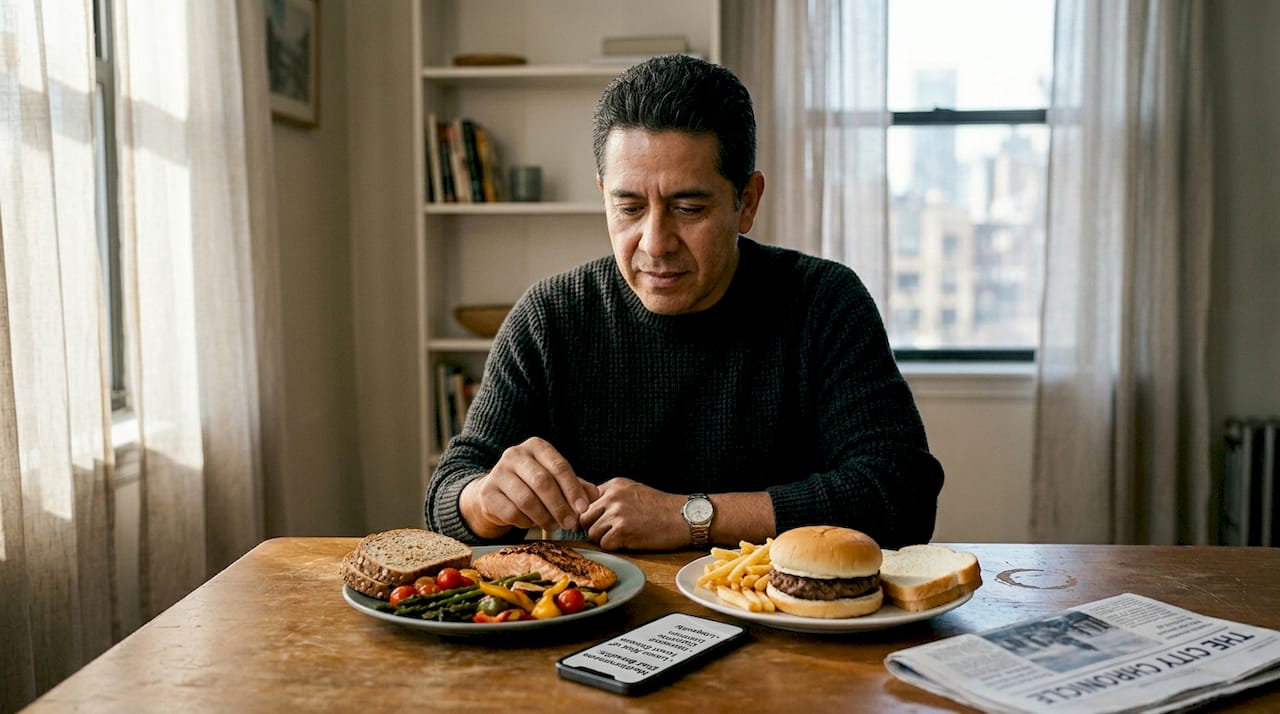
| Category | Mediterranean diet | Standard American diet |
|---|---|---|
| Core foods | Vegetables, fish, olive oil, legumes, whole grains | Processed foods, red meat, refined carbs, added sugars |
| Heart health | Reduces blood pressure and triglycerides | Increases cardiovascular risk |
| Bone density | Improved with Mediterranean eating | Often insufficient calcium and vitamin D |
| Mental health | Linked to lower depression and anxiety | Associated with higher inflammation and mood issues |
| Ease of adoption | Flexible and culturally adaptable | Familiar but hard to shift away from |
The Mediterranean diet reduces blood pressure and triglycerides while actively supporting bone health, which matters more as we age. And according to updated dietary guidance, personalized nutrition works best for lasting results. No single plan fits every body.
“The most effective nutrition strategy is one that’s built around your unique lifestyle, preferences, and health goals. Whole-diet personalization beats any one-size-fits-all plan, every single time.”
You don’t have to flip your entire fridge overnight. Start by swapping refined grains for whole grains one meal at a time. Add a drizzle of olive oil. Toss in more legumes. Layer these small shifts onto the essentials we’ve already covered, and you’re building something powerful. That’s empowering wellness choices in action.
Our take: Stop waiting for the perfect plan
Here’s the uncomfortable truth we don’t talk about enough: most women already know what they should be eating. The real block isn’t information, it’s permission. Permission to prioritize yourself. Permission to invest in your body without guilt. Permission to say, “This matters and I’m doing it.”
We’ve seen women spend years collecting nutrition tips and never acting because the plan wasn’t perfect yet. Babe, the perfect plan doesn’t exist. What exists is the plan you actually follow, consistently, imperfectly, and unapologetically. A whole-diet approach does not require a nutrition degree. Cycle syncing doesn’t need a fancy app. Hydration just needs a water bottle and some intention.
The women who feel their best aren’t doing something magical. They’re doing the basics, repeatedly, with confidence. They’re not chasing the next supplement trend. They’re building a real foundation and adjusting as they go. That’s the actual glow-up. Start where you are. Use what you have. Upgrade as you grow. That’s Rich Fit Bitch energy, and it’s available to you right now.
Elevate your nutrition game with Rich Fit Bitch
You’ve got the knowledge, now it’s time to build the toolkit. At Rich Fit Bitch, we curate elevated wellness essentials designed specifically for women who refuse to settle. From targeted supplements that support hormonal balance and micronutrient gaps to resources that help you build a sustainable self-care routine, we’ve got your back. Explore our holistic wellness blog for deeper dives into every essential covered here. Ready to level up your supplement game? Browse our women’s wellness collection and find what your body has been asking for. Your most vibrant, nourished self is not a destination. She’s already in there.
Frequently asked questions
What is the most important nutrition change for self-care?
Switching to a plant-forward, whole-diet approach delivers holistic benefits for women more effectively than targeting individual nutrients. It supports both mental and physical well-being at the same time.
How can I eat for my menstrual cycle?
Adjust your intake of protein, fiber, and healthy fats at each phase, and consider magnesium and iron support during PMS and menstruation. Nutritional needs vary by phase, so small targeted shifts make a real difference.
How much water should I really drink?
Aim for half your body weight in ounces daily and use a tracking app or marked bottle to stay consistent. Hydration guidelines support total self-care when paired with regular physical activity.
Are supplements necessary if I eat a balanced diet?
Most needs can be met through food, but nutrients like vitamin D, B12, and magnesium often fall short, especially after 30. Common deficiencies persist even in women eating healthy, so targeted supplementation can fill real gaps.